Fermentation as a Revolutionary Act
- Leo Gaggl
- Ferment , Reflection
- July 29, 2025
Table Of Contents
What if one of the quietest ways to resist our broken food system is simply… to let food sit? To watch it bubble, fizz, and transform — guided not by factories or corporations, but by microbes, time, and our own hands?
Fermentation looks humble — a jar on the counter, a cabbage in salt, a whiff of something alive. But hidden in that jar is something radical: a way of reclaiming control, rebuilding community, and slowing down a world that’s moving too fast for its own good.
Taking Our Food Back
Modern food culture wants everything instant and identical. It gives us convenience at the cost of connection. But fermentation — that ancient, quiet craft — flips the system on its head.
When we ferment, we take back the role of the processor, the preserver, the producer. We step out of the industrial chain and rejoin the cycle of life and decay that humans have lived within for millennia.
A jar of kimchi or sauerkraut is more than a side dish — it’s an act of food sovereignty. It says: I can transform food myself. I don’t need an ingredient list full of stabilisers and preservatives to keep it alive.
Preventing Waste, Honouring Surplus
Fermentation was born from necessity — from the need to make food last through the lean months. But in today’s world of overproduction and waste, it becomes a way of honouring surplus instead of discarding it.
A glut of cucumbers? Ferment them into pickles. Wilting greens? Turn them into something tangy and new. That cabbage at the back of the fridge — it’s not waste; it’s potential.
In a system that tells us food is disposable, fermentation whispers the opposite: nothing is wasted when you give it time and care.
Slowing Down — and Preserving More Than Food
Fermentation teaches patience in a culture that measures success in speed. You can’t rush a ferment. The microbes work to their own rhythm, transforming ingredients day by day in ways we can guide but never fully control.
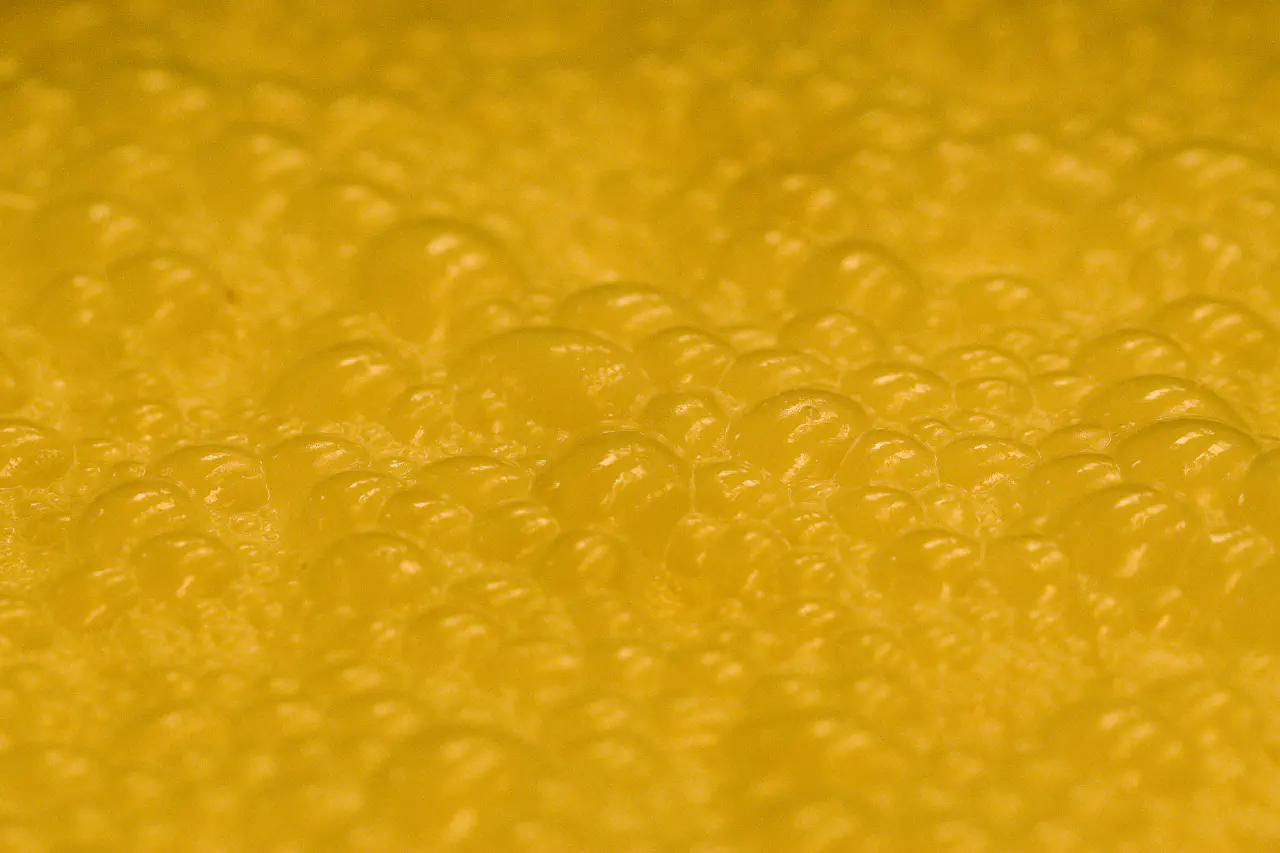
And as we wait, something else happens — we slow down too. We notice smells, textures, tiny bubbles. We reconnect with our senses, with the seasons, and with time itself.
Fermentation preserves more than food. It preserves wisdom, patience, and a sense of belonging to a larger cycle of life.
Fermenting Together
Fermentation is also deeply social. Across the world, it’s always been a communal act — a kitchen full of jars, shared recipes, passing down of “starter” cultures from one generation to the next.
In community fermenting workshops and local food groups, you’ll see that same spirit reborn: people swapping SCOBYs, tasting each other’s kimchi, laughing over jars that didn’t quite work out. It’s a reminder that food isn’t just fuel — it’s connection.
When we share our ferments, we share more than microbes; we share care, curiosity, and community.
Small Jars, Big Change
Fermentation won’t fix the food system overnight. But it shifts something profound — in us and around us. It turns waste into nourishment, patience into pleasure, community into resilience.
It reminds us that revolutions don’t always start with grand gestures. Sometimes they start with a jar, some salt, and a bit of trust — in nature, in time, and in each other.
So maybe that bubbling jar on your counter isn’t just dinner in the making. Maybe it’s the quiet sound of a food system waking back up.
Attribution: Image by Pulpolux, CC BY-NC 2.0 Visit here