Saving the Season
Preservation, Waste, and the Spirit of Resourcefulness
- Leo Gaggl
- Distil , Sustainability
- August 5, 2025
Table Of Contents
Before the age of global supply chains and year-round availability, every season had its own distinct flavour, its own fleeting window of abundance. Summer brought a riot of berries and stone fruits, autumn a cascade of apples and pears. This bounty was a blessing, but also a challenge: how to honour this generosity without letting it succumb to the inevitable march of decay? Long before the first refrigerators hummed into existence, our ancestors devised ingenious ways to hold onto the harvest. They dried, they salted, they sugared, and they fermented. And in the art of distillation, they found one of the most profound methods of all: transforming the ephemeral essence of a season into a spirit that could last for generations.
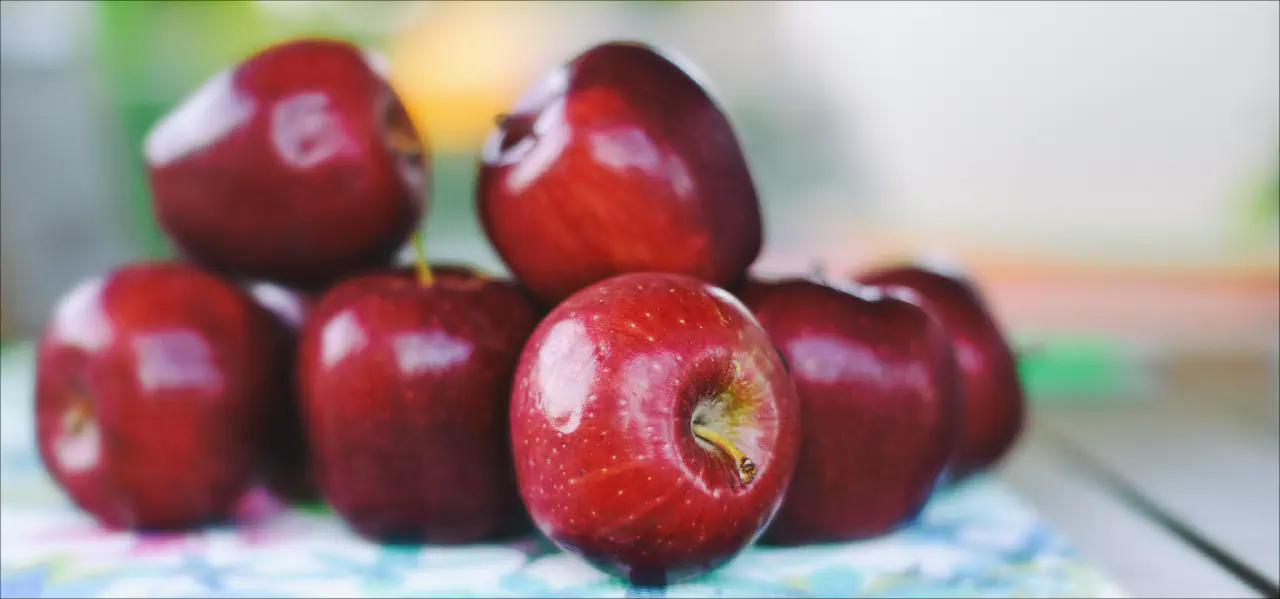
Distillation, viewed through this historical lens, is not an act of creation, but of preservation. It is a practice born from a deep-seated respect for food and a pragmatic understanding of nature’s cycles. In many parts of Europe, particularly in the alpine regions of Germany, Austria, and Switzerland, the tradition of distilling fruit—known as Obstler or Schnaps—was an integral part of the agricultural calendar. It was a practical, resourceful, and often communal response to the reality of surplus. The bruised apple, the overripe pear, the plum slightly past its prime for eating—these were not waste products. They were opportunities.
This philosophy stands in stark contrast to our modern food system, where an estimated one-third of all food produced for human consumption is lost or wasted. We have become disconnected from the effort, energy, and natural resources embedded in every piece of fruit. The cosmetic standards of supermarkets mean that perfectly edible produce is often discarded for being the wrong shape or size. Distilling, in its traditional form, offers a powerful counter-narrative. It is a craft that sees potential where others see imperfection. It embodies the principle of “nothing wasted,” not as a trendy slogan, but as a fundamental ethos.
The Alchemist of the Orchard
The journey from surplus fruit to refined spirit is a testament to resourcefulness. Historically, the village still was often a communal asset. Families would bring their excess fruit, a portion of the harvest that couldn’t be eaten or preserved in other ways, to be transformed. This act of community distilling reinforced social bonds and ensured that everyone’s bounty contributed to a collective good. The resulting spirit was a concentrated expression of the entire village’s harvest, a shared library of the season’s flavours.
This process begins with the fruit itself. Unlike industrial production that demands uniformity, the craft distiller welcomes diversity. A mix of apple varieties from an old orchard, each with its own balance of sugar and acidity, creates a far more complex and interesting mash than a monoculture crop. The fruit is crushed to a pulp, releasing its juices and the wild yeasts living on its skins. This mash is left to ferment, a bubbling, living cauldron where microorganisms work their magic, converting sugars into alcohol. The distiller’s role here is one of a guardian, ensuring the conditions are right but allowing nature to lead the way.
Once fermentation is complete, the still is fired up. As the fermented mash, or wash, is gently heated, the alcohol and aromatic compounds vaporise. This vapour travels up the neck of the still and is cooled, condensing back into a liquid. This is the raw distillate, a potent and fiery liquid that carries the unmistakable soul of the fruit it came from. The distiller carefully separates the first part of the run (the “heads”) and the last (the “tails”), isolating the pure “heart.” This heart is the eau de vie, the water of life—a pure, crystalline liquid that holds the memory of sunshine, soil, and season.
Modern Sustainability and Ancient Necessity
Today, a new generation of craft distillers is rediscovering and championing this ancient philosophy of resourcefulness. They are forging partnerships with local farmers to take surplus or “seconds” fruit that would otherwise be rejected by commercial buyers. They are foraging for wild botanicals, incorporating the unique flavours of their local landscape into their spirits. This is not just about good storytelling; it is a fundamental rethinking of the supply chain, moving from a linear model of produce-and-discard to a circular one of use-and-repurpose.
The commitment to zero-waste extends beyond the raw ingredients. The spent mash, rich in organic matter, is often returned to the land as compost or used as nutritious animal feed, closing the ecological loop. Water used for cooling in the distillation process is recycled and reused. Some innovative distilleries are even capturing the carbon dioxide produced during fermentation for other industrial uses. These modern practices are a high-tech evolution of the same principle that guided the village distiller centuries ago: waste is simply a lack of imagination.
This approach has a profound impact on the final product. A spirit made from foraged elderflowers or surplus local cherries is not a generic commodity; it is a product of place. It tells a story of a specific landscape, a specific season, and a specific community. It carries an authenticity that cannot be replicated on an industrial scale. When you taste such a spirit, you are tasting more than just alcohol; you are tasting a philosophy. You are tasting the distiller’s commitment to sustainability, their respect for the ingredients, and their creative partnership with the natural world.
A Spirit of Care
Ultimately, distilling to prevent waste is an act of care. It is care for the produce, honouring the life and energy it contains. It is care for the planet, reducing the environmental burden of food waste. And it is care for the future, preserving the fleeting tastes of today for the enjoyment of tomorrow.
This mindset invites us to look at the world differently. The lone apple tree in a suburban garden, its branches heavy with unpicked fruit; the glut of blackberries in the hedgerows; the box of bruised peaches at the farmers’ market—these are no longer signs of excess, but invitations to creativity. They are calls to engage in the satisfying work of transformation.
Engaging in this process, even on a small, home-distilling scale, reconnects us to the value of our food. When you have spent weeks fermenting a batch of plums and hours carefully nursing it through the still, you develop a profound appreciation for the final product. Every drop feels precious. This experience fosters a deeper respect for the ingredients and a more conscious approach to consumption.
Saving the season through distillation is more than a quaint historical practice; it is a living tradition with urgent relevance for our times. It teaches us that resourcefulness, creativity, and a respect for natural cycles can turn potential waste into something of great value and beauty. It reminds us that the most sustainable solutions are often those that have been with us all along, waiting to be rediscovered. In every bottle of spirit crafted from surplus fruit, there is a story of redemption—a story of how a little care and ingenuity can save the season, one drop at a time.
Attribution: Image by Sue90ca, CC BY-NC-ND 2.0 Visit here