The Elemental Connection
Distilling as a Dialogue with Nature
- Leo Gaggl
- Distil , Reflection
- August 12, 2025
Table Of Contents
In our modern lives, insulated by technology and concrete, it is easy to feel disconnected from the elemental forces that shape our world. We forget the soil that feeds us, the water that sustains us, and the fire that warms us. Yet, certain ancient crafts serve as a bridge, pulling us back into a direct and intimate dialogue with nature. Distillation, at its heart, is one such practice. It is more than a simple technique; it is a collaboration with the elements, a process where earth, water, fire, and air are consciously brought together to transform and purify. To stand before a still is to stand at the intersection of human craft and natural magic.
The entire process is a celebration of terroir—a concept most often associated with wine, but which applies just as profoundly to spirits. Terroir is the unique voice of a place, a complex harmony of soil, climate, topography, and local flora. A spirit born of this philosophy is not just flavoured by its ingredients; it is an expression of them. It is a liquid story of a particular hillside, a specific harvest, a single, irreplaceable season.
Earth: The Source of Character
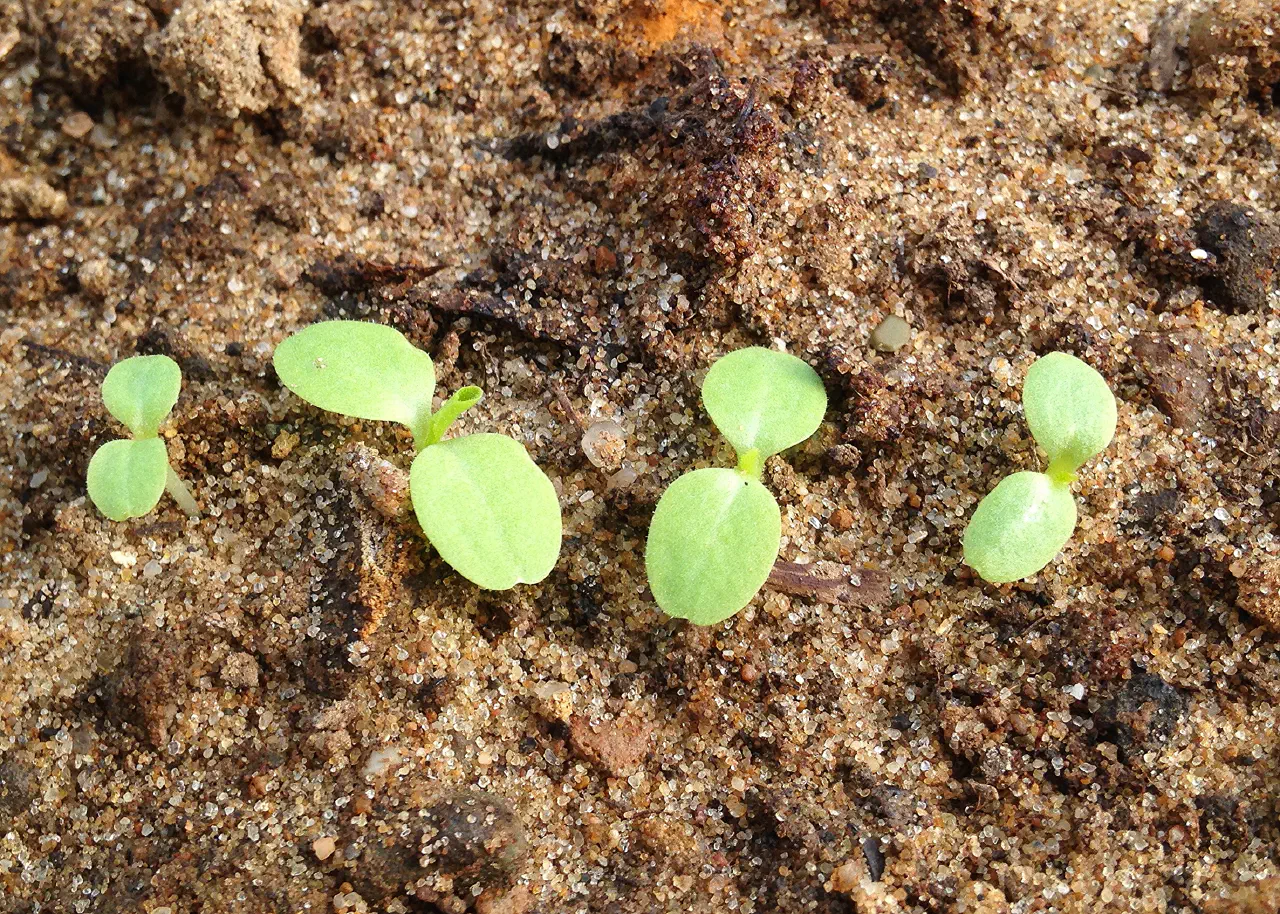
Every distillation begins with the earth. It begins with the grain that has drawn nutrients from the soil, the fruit that has soaked up the sun, or the herbs that carry the mineral signature of their landscape. The character of the raw material is the foundation of the final spirit. A barley grown in the rich, loamy soils of a river valley will yield a different spirit than one grown in the thin, resilient soil of a windswept island. An apple from a tree with deep roots in chalky ground will carry a different brightness than one grown in heavy clay.
The distiller who understands this connection sees themselves not just as a producer, but as a partner to the farmer and the land. They know that the quality of their work depends entirely on the quality and vitality of the ingredients they source. This fosters a deep respect for agriculture, for seasonality, and for the subtle variations that make each harvest unique. When a distiller chooses to work with heirloom grains or foraged botanicals, they are making a conscious choice to preserve the biodiversity and genetic heritage of a place. They are honouring the earth’s complexity, rather than demanding industrial uniformity.
Fermentation is where the character of the earth truly awakens. It is a living process, a vibrant conversation between the sugars of the plant and the microscopic life—the yeast—that animates it. These yeasts, whether carefully cultivated or spontaneously arriving on the bloom of a fruit, are themselves children of the earth. They are the invisible agents of transformation, the alchemists who turn simple sweetness into a complex array of esters, phenols, and alcohols. The fermenting vessel becomes a microcosm of the soil: a dark, warm, living matrix from which new life and new flavour will emerge.
Water: The Giver of Life and Purity
Water is the lifeblood of distillation. It is the solvent, the carrier, and the cleanser. It is present at every stage, from the steeping of the grain to the final dilution of the spirit. The quality and character of the water are as essential as the grain or fruit itself. A distiller in the Scottish Highlands might praise the soft, peat-filtered water that lends a unique smoothness to their whisky. A bourbon maker in Kentucky will speak of the hard, limestone-filtered water that removes iron and adds essential minerals during fermentation.
In the still, water acts as the great mediator. As the wash is heated, it is the water that gently carries the volatile alcohol and aromatic compounds upwards in the form of steam. Then, in the condenser, it is cold water that provides the shock of transformation, turning vapour back into liquid. This cyclical journey of water—from liquid to steam and back again—mirrors the hydrological cycles of the planet. The still becomes a self-contained weather system, with its own evaporation, clouds, and rain.
Choosing a water source is a foundational decision for any distillery. Many are built around a specific spring or well, their existence tied to the unique geology of their location. This connection to a single, pure water source anchors the spirit to its place in the most fundamental way. It is a reminder that even the clearest spirit is not an invention, but a product of the landscape itself.
Fire: The Catalyst of Transformation
Fire is the active principle in distillation, the force that drives the change. It is the energy that awakens the dormant potential within the fermented mash. The application of heat must be precise, a delicate dance between power and control. Too little fire, and the spirit will not rise. Too much, and the delicate flavours will be scorched and destroyed, the mash burned to the bottom of the still.
The distiller learns to manage fire with an intuitive feel. They listen to the sounds of the still—the gentle simmering, the first hiss of vapour. They watch the flow of the distillate, adjusting the heat to maintain a steady, gentle stream. This is a primal skill, a connection back to the first humans who learned to master flame. The fire is not a brute force, but a partner to be respected and understood.
In a traditional, direct-fired copper still, the flame physically kisses the pot, creating subtle reactions and caramelisation that can add layers of complexity to the final spirit. This direct contact is a risk, but it is a risk that can yield great rewards. It is the embodiment of the distiller’s courage and skill, their ability to work with a powerful and potentially destructive element to achieve a beautiful and refined outcome.
Air and Copper: The Breath of Refinement
The final two elements in this collaboration are the least visible, but no less crucial: the air and the metal of the still itself. As the spirit vapours rise, they are in constant contact with the air in the head of the still and, most importantly, with the copper walls. Copper is not just a convenient material for construction; it is an active participant in the chemistry of distillation.
Copper reacts with volatile sulphur compounds produced during fermentation—compounds that can give a spirit unpleasant, rubbery, or metallic notes. The copper vessel effectively cleanses the spirit, removing these unwanted elements and leaving behind a purer, smoother distillate. This is why a spirit distilled in copper has a different character—a cleaner, brighter profile—than one made in a stainless-steel still. The copper breathes with the spirit, refining and polishing it.
When the final spirit emerges from the condenser, it is the first time it meets the open air. As it flows into the collection vessel, it releases a cloud of aroma. This is the soul of the spirit, its first breath in the world. It is the culmination of the entire elemental dialogue—the earth’s character, carried by water, released by fire, and purified by copper. To be present in that moment, to take in that aroma, is to witness the conclusion of a great natural cycle, brought to fruition by human hands.
Through this elemental dance, the distiller does more than just make a drink. They become a conduit, a channel through which the story of a place can be told. They are weaving together the threads of geology, biology, and meteorology, creating a single, harmonious expression. The finished spirit is a time capsule, a message from the earth, a poem written in the language of the elements. To sip it slowly is to read that poem, and to reconnect, for a moment, with the elemental soul of the world.
Attribution: Image by Flickr user 192283769@N02, CC BY-NC-ND 2.0 Visit here