Reflection
- Home /
- Categories /
- Reflection

Part IV: Reclaiming Our Systems
Part IV: Reclaiming Our Systems, Our Humanity, and the Future We’ve seen the damage. A legal fiction with no conscience now has immense control over how we eat, how we heal, and how we live.
Read More
Investing in Outcomes
We have journeyed from the personal story behind GrowGood to the way its Blueprints learn to speak the language of your farm. Now, we arrive at the most crucial part of our conversation: the future we can grow together. This is a vision that extends beyond the farm gate, connecting our individual efforts into a powerful, collective force for regeneration.
Read More
Part III: Sick by Design
Part III: Sick by Design – How Shareholder Health Care Profits from Human Suffering I think most of us want to believe that healthcare exists to make people well. That hospitals are sanctuaries and doctors are healers. That the system, for all its flaws, is fundamentally trying to help.
Read More
Speaking the Language of the Land
In our first conversation, we talked about the need to re-value farming—to move beyond tools of extraction and build something that honours the complexity of living systems. Now, let’s explore how we begin to do that. It starts by learning to speak the language of the land, one farm at a time.
Read More
Part II: Food for Profit
Part II: Food for Profit – How Corporations Engineered Hunger in a World of Plenty In a world of unprecedented agricultural abundance, it strikes me as a cruel paradox that billions still go hungry, while others are dying from diseases of overconsumption. This situation—scarcity amid plenty, malnutrition amid surplus—is no accident. I believe it is the calculated outcome of a food system built not to feed people, but to feed profits.
Read More
Re-Valuing Our Roots
For most of my life, I’ve had one foot in the soil and the other in the digital world. It has been a journey of homecoming, a return to the values I learned growing up on a farm, looking after the land that sustained us. This journey has been guided by a single, persistent question: how can we build tools that honour nature’s complexity, instead of trying to conquer it?
Read More
Part I: The Legal Lie
Part I: The Legal Lie – How Corporate Personhood Broke the World I’ve always held a firm belief that in a democracy, we, the people, are supposed to be in charge. Yet, over the last 150 years, I’ve watched a silent coup unfold—one that has steadily replaced the citizen with the shareholder, the voter with the lobbyist, and the human being with a legal fiction: the corporation as a person.
Read More
The Contemplative Spirit
In the quiet hum of a working still, something more than alcohol is being produced. As the hours pass and the slow transformation from raw matter to refined essence unfolds, the distiller is offered a unique invitation: to be present, to pay attention, and to find a deeper meaning in the making. The previous articles in this series have explored the slowness, resourcefulness, and elemental connection inherent in distilling. We now arrive at the heart of the matter: the still as a mirror for the self, and the craft as a contemplative practice.
Read More
The Elemental Connection
In our modern lives, insulated by technology and concrete, it is easy to feel disconnected from the elemental forces that shape our world. We forget the soil that feeds us, the water that sustains us, and the fire that warms us. Yet, certain ancient crafts serve as a bridge, pulling us back into a direct and intimate dialogue with nature. Distillation, at its heart, is one such practice. It is more than a simple technique; it is a collaboration with the elements, a process where earth, water, fire, and air are consciously brought together to transform and purify. To stand before a still is to stand at the intersection of human craft and natural magic.
Read More
Part 4: A Different Path for LoRaWAN
In the history of technology, there are forks in the road. Moments where a different choice, a different philosophy, could have led us to a profoundly different world. In this series, we’ve explored the degenerative path taken by many DePIN projects, with Helium as a case study—a project that captured the incredible energy of a community-built network, only to see that energy diverted down a familiar, extractive path. This is the degenerative trajectory toward techno-feudalism, where centralization and extraction create scarcity and render the network’s builders into a surplus population.
Read More
A New Charter for the Forest
Back in 1217, a group of rebellious barons forced King John to sign the Charter of the Forest. It was a revolutionary document for its time, a declaration that the forests of England were not the private hunting grounds of the king, but a vital resource for the common people. It protected their rights to graze their animals, collect firewood, and forage for food. It was, in essence, a charter for a forest commons.
Read More
Fermentation as a Revolutionary Act
What if one of the quietest ways to resist our broken food system is simply… to let food sit? To watch it bubble, fizz, and transform — guided not by factories or corporations, but by microbes, time, and our own hands?
Read More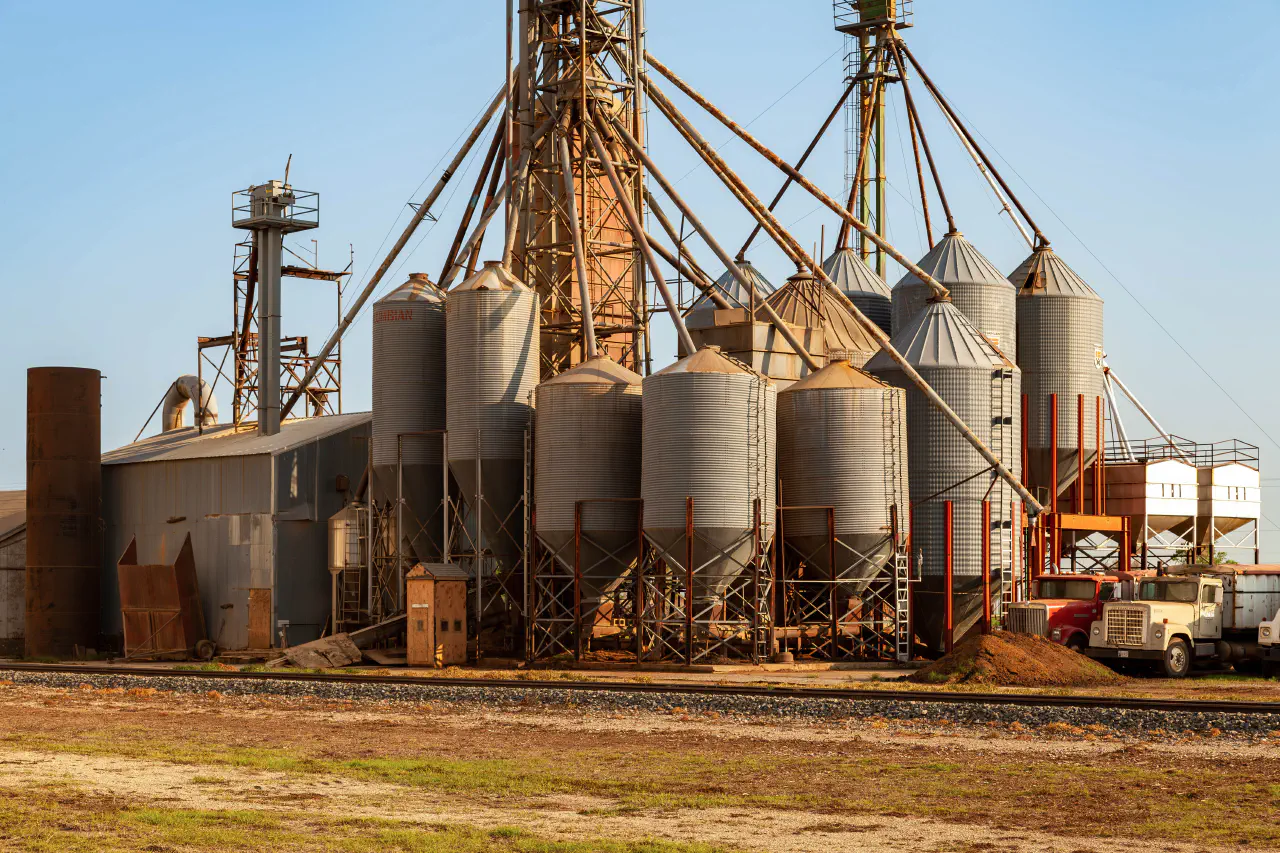
From Varieties to Commodities
Have you noticed how “choice” in the supermarket doesn’t really feel like choice anymore? A whole aisle of bread, yet most of it made from the same kind of wheat. Apples that all look perfect, but taste mostly of cold storage. Tomatoes that travel halfway around the world but somehow forgot what flavour is.
Read More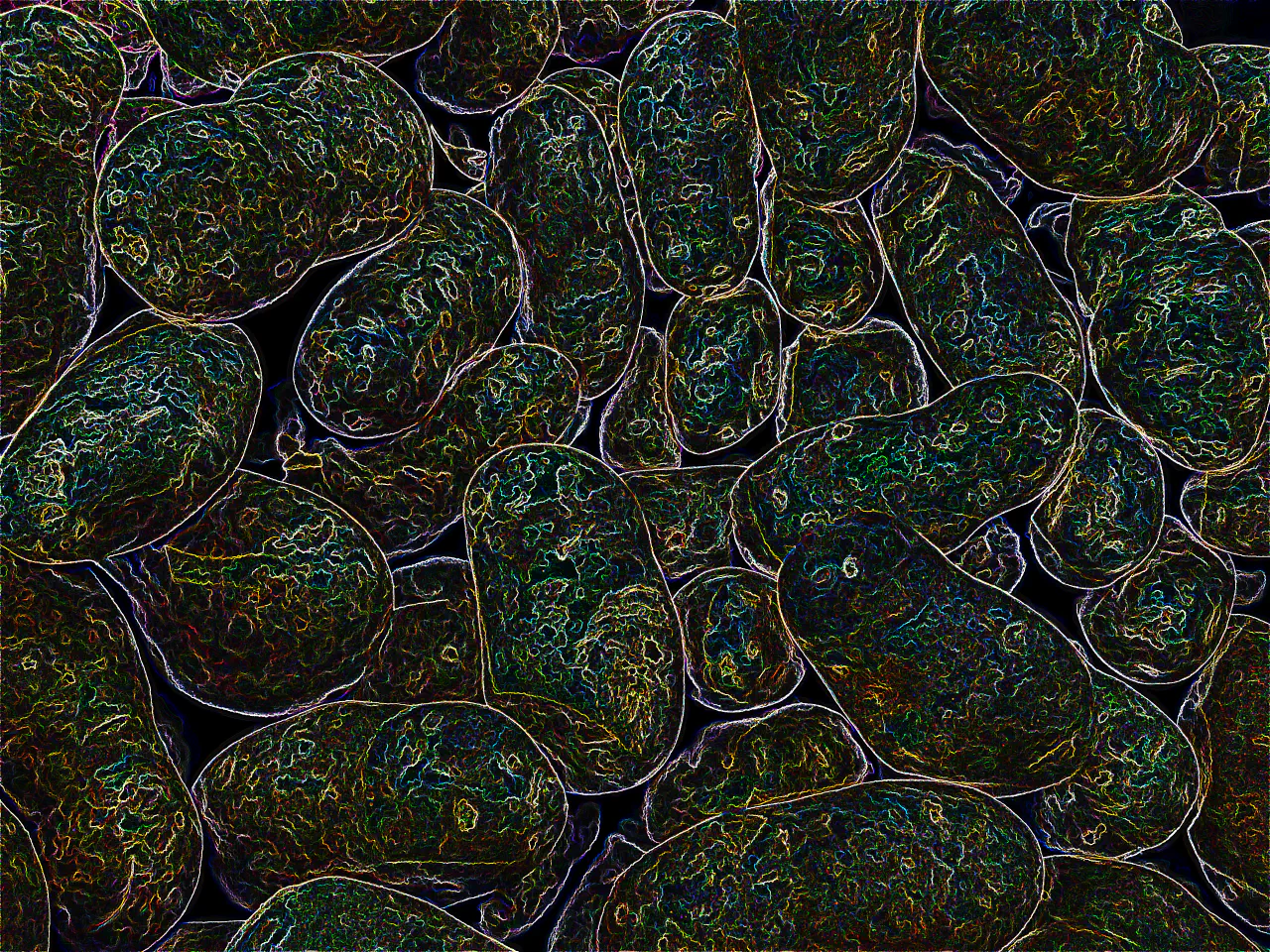
Microbial Lessons for a Living Planet
When we begin to see fermentation not as a human trick but as a conversation between species, something shifts. The jar on the counter becomes a small model of the world — alive, adaptive, and full of intelligence that isn’t our own. These microbial communities show us, in miniature, how life sustains itself through cooperation, balance, and exchange.
Read More
The Alchemy of Slowness
There is a peculiar magic in slowing down. In a world that measures life in minutes, notifications, and deadlines, the deliberate act of slowing is a radical one. And yet, it is in this deceleration that we discover the quiet, transformative rhythms connecting us to nature, to craft, and to ourselves. Distillation, in its truest and oldest sense, is one such rhythm — a slow, contemplative alchemy that has existed for centuries, long before the cocktail culture or industrial spirits of today. It is not about the drink, nor about the intoxication; it is about transformation, attention, and the delicate unfolding of time.
Read More
The Intelligence in the Jar
If you’ve ever stood over a jar of fermenting vegetables — watching bubbles rise, catching that sharp, tangy scent — you’re witnessing something extraordinary: an invisible ecosystem, busy at work.
Read More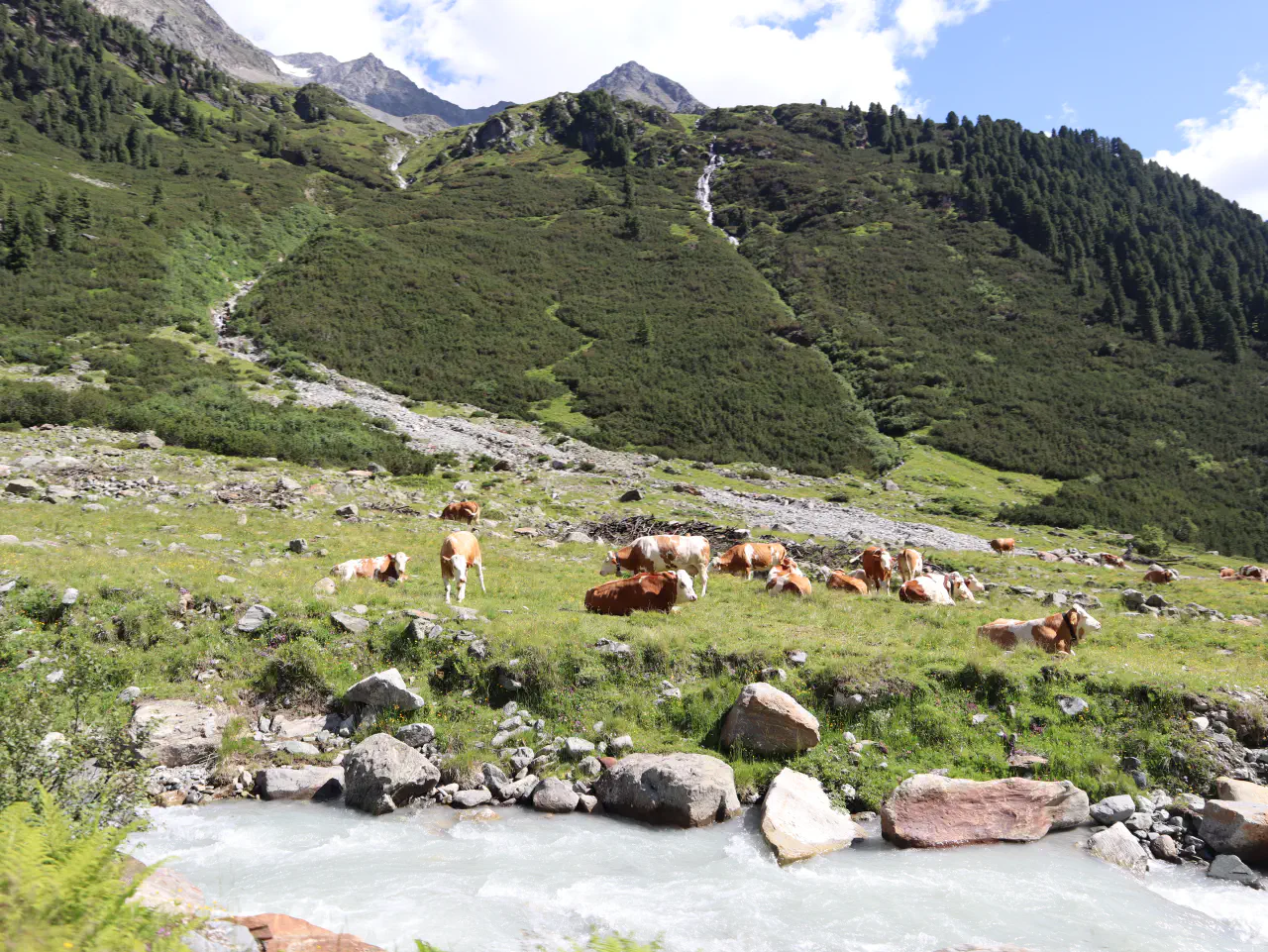
From Healthier Soil To A Fairer Fork
Let’s be honest. The way we produce and consume food is broken. It’s a system that looks great on the surface, with supermarket shelves overflowing with produce from every corner of the globe, available any time of year. But when you dig a little deeper, you find a system built on a house of cards, and it’s costing us more than we think.
Read More
Part 1: The Reality of DePIN
The Seductive Pitch The term DePIN, or Decentralised Physical Infrastructure Networks, carries an almost utopian promise. It paints a picture of a world where the essential physical networks we rely on—from wireless and mobile connectivity to mapping and sensor data—are built not by faceless corporations, but by us. It’s a vision of grassroots collaboration, where individuals are empowered to deploy hardware, share resources, and collectively own the infrastructure of tomorrow.
Read More
Part 2: DePIN's Fork in the Road
A Pattern Emerges The story of Helium, as I detailed in my first post, is not an anomaly. The slide from a grand vision of a “People’s Network” into a centrally-controlled system that primarily benefits its founders and a small handful of insiders is, unfortunately, a well-trodden path in the DePIN space. The issues of opaque governance, extractive tokenomics, and a disregard for the actual community that builds the network are not bugs; they are features of a flawed and deeply ingrained model.
Read More
Part 3: From Degenerative to Regenerative
The Principles Are Sound After dissecting the broken models of the DePIN space, it would be easy to become cynical and dismiss the entire concept as a failed experiment. But that would be a mistake.
Read More