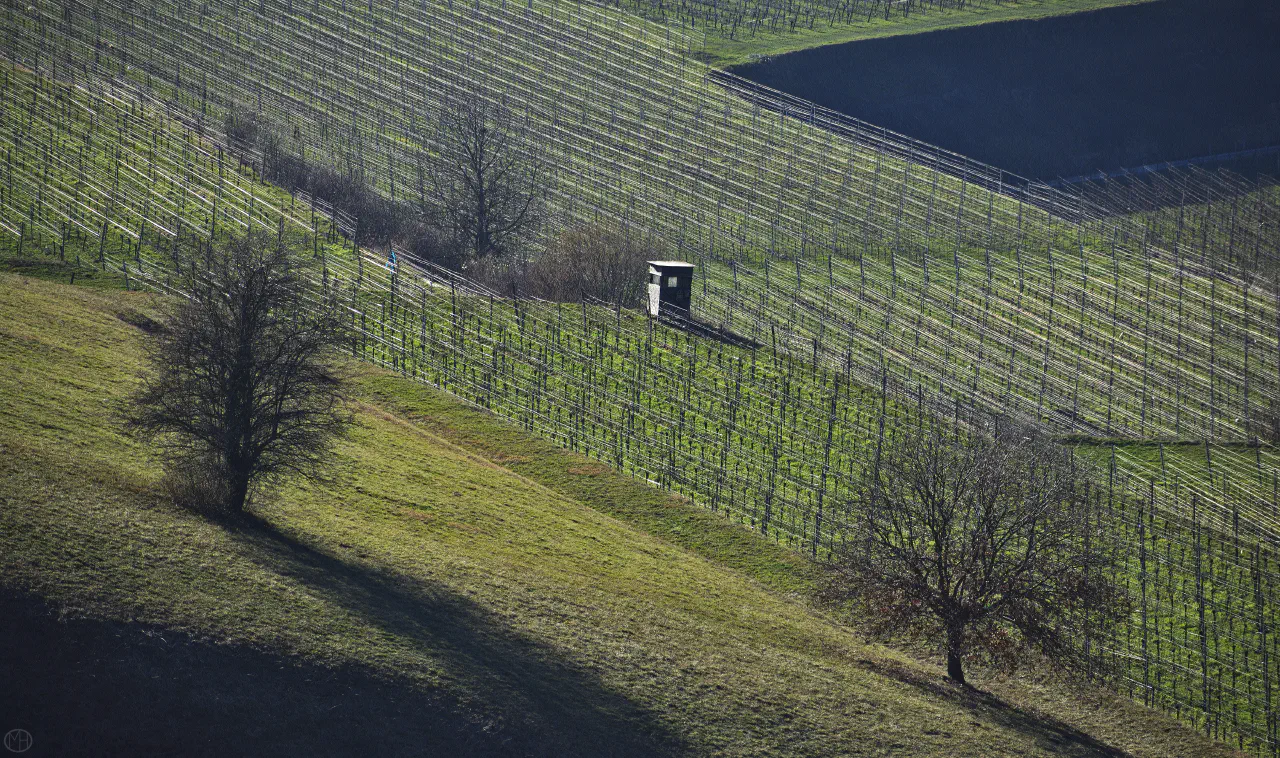
The Fifty Shades of Regenerative
This morning, while doing my daily scroll through the RSS feeds (a ritual that still feels oddly rebellious in 2025), I noticed a theme popping up: “regenerative agriculture.” It’s everywhere. But what became starkly clear is that not all “regenerative” is created equal.
Read More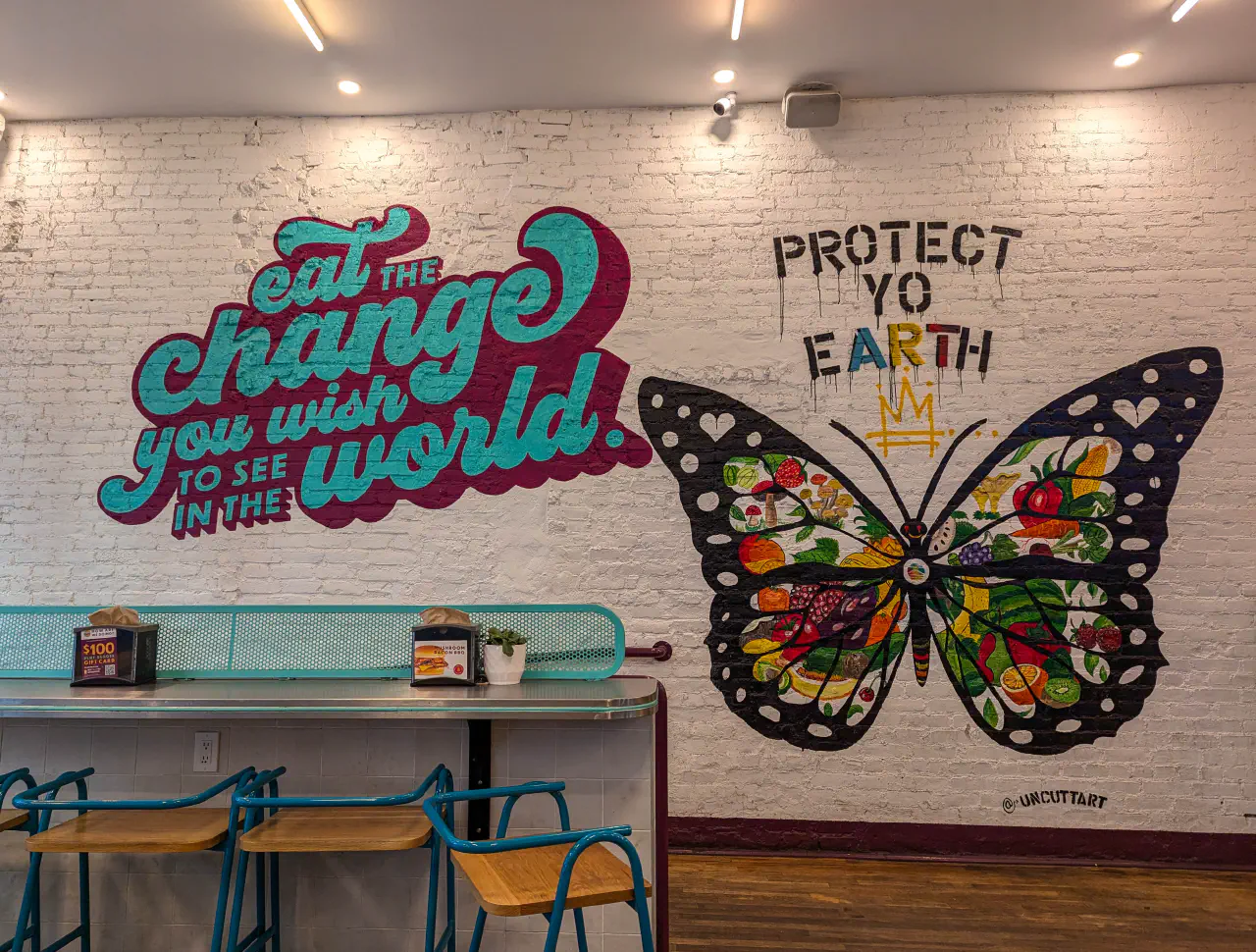
Part II: Food for Profit
Part II: Food for Profit – How Corporations Engineered Hunger in a World of Plenty In a world of unprecedented agricultural abundance, it strikes me as a cruel paradox that billions still go hungry, while others are dying from diseases of overconsumption. This situation—scarcity amid plenty, malnutrition amid surplus—is no accident. I believe it is the calculated outcome of a food system built not to feed people, but to feed profits.
Read More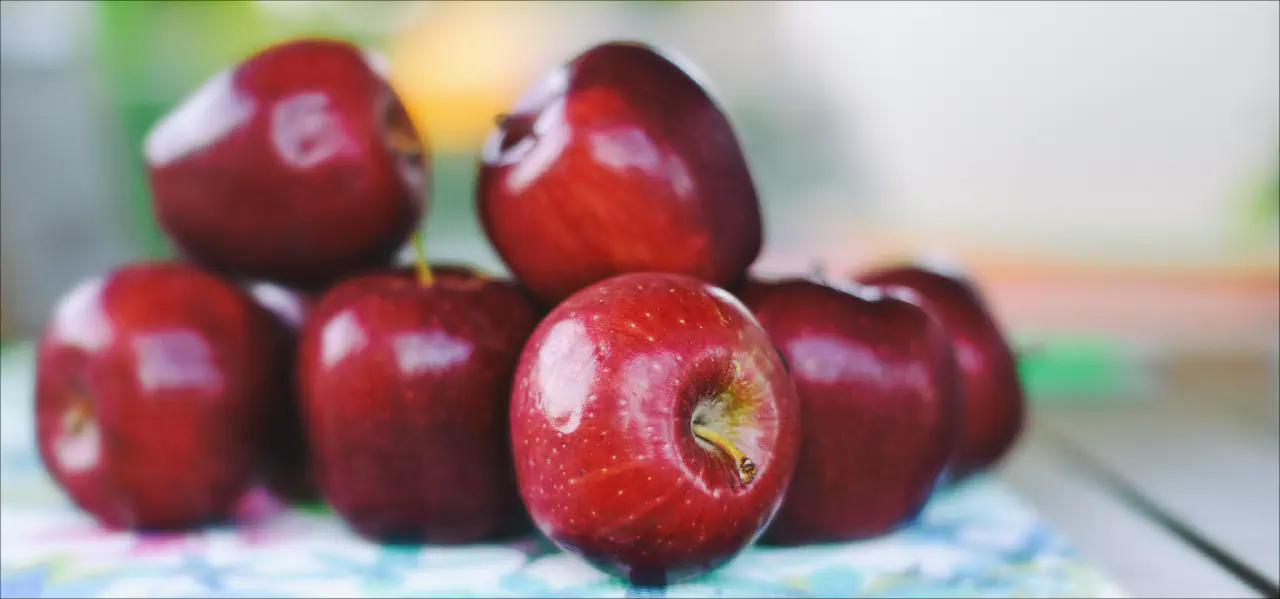
Saving the Season
Before the age of global supply chains and year-round availability, every season had its own distinct flavour, its own fleeting window of abundance. Summer brought a riot of berries and stone fruits, autumn a cascade of apples and pears. This bounty was a blessing, but also a challenge: how to honour this generosity without letting it succumb to the inevitable march of decay? Long before the first refrigerators hummed into existence, our ancestors devised ingenious ways to hold onto the harvest. They dried, they salted, they sugared, and they fermented. And in the art of distillation, they found one of the most profound methods of all: transforming the ephemeral essence of a season into a spirit that could last for generations.
Read More
A New Charter for the Forest
Back in 1217, a group of rebellious barons forced King John to sign the Charter of the Forest. It was a revolutionary document for its time, a declaration that the forests of England were not the private hunting grounds of the king, but a vital resource for the common people. It protected their rights to graze their animals, collect firewood, and forage for food. It was, in essence, a charter for a forest commons.
Read More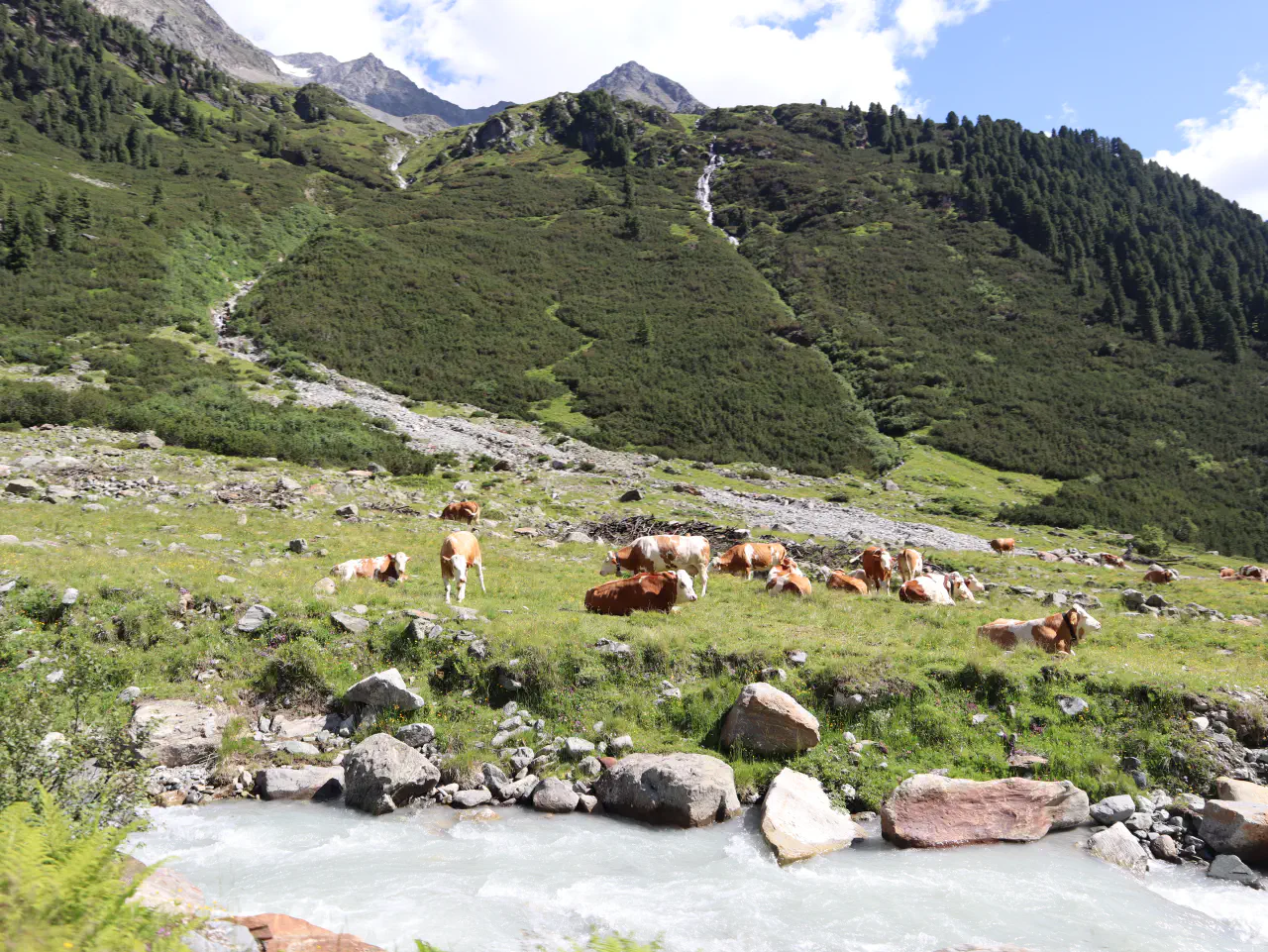
From Healthier Soil To A Fairer Fork
Let’s be honest. The way we produce and consume food is broken. It’s a system that looks great on the surface, with supermarket shelves overflowing with produce from every corner of the globe, available any time of year. But when you dig a little deeper, you find a system built on a house of cards, and it’s costing us more than we think.
Read More